22 September 2026
Transforming Urban Management: The Role of AI in Municipal and Regional Government Efficiency
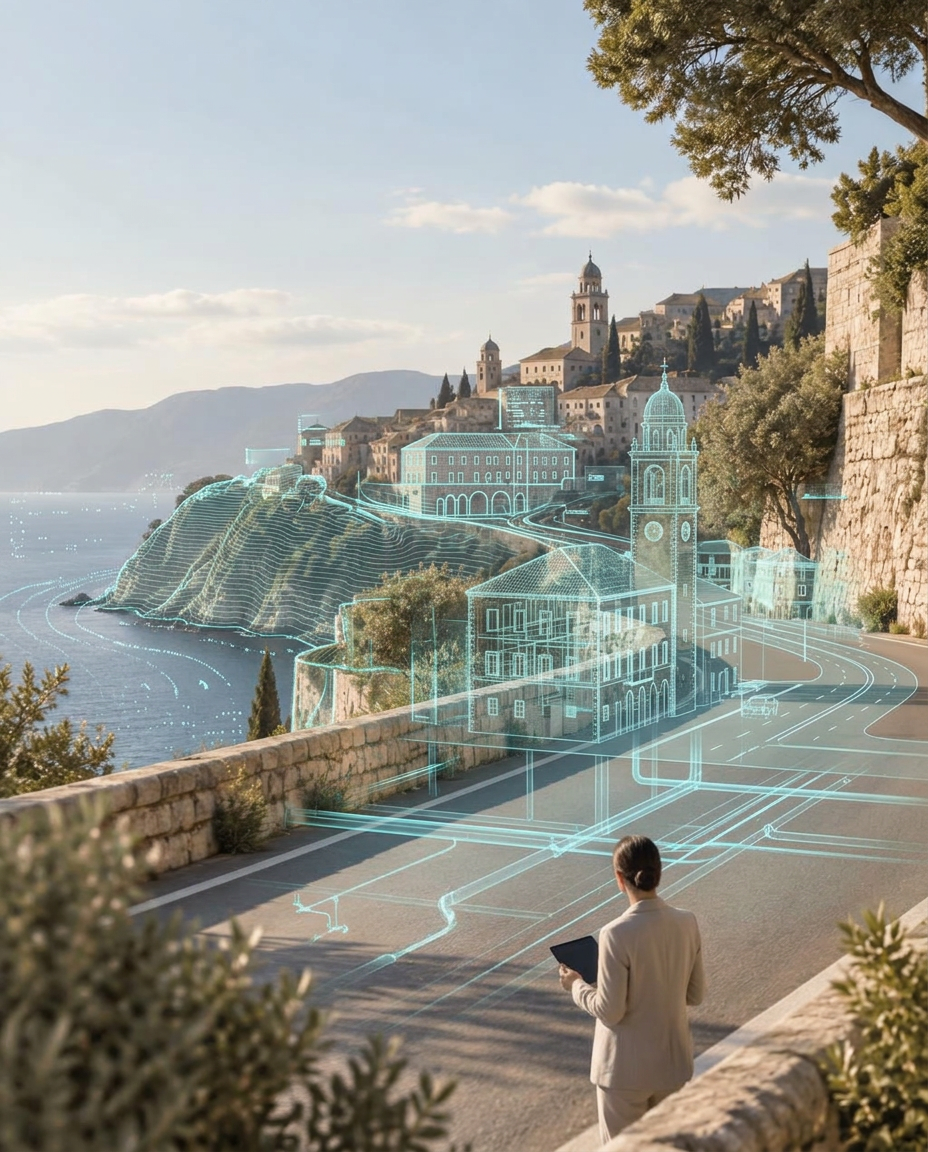
AI: The Smart Municipal Revolution
The integration of artificial intelligence (AI) into municipal and regional government operations isn't a futuristic fantasy; it's a present-day revolution reshaping how our cities function. AI is not just a tool; it's a transformative force that empowers governments to tackle complex challenges, streamline their processes, and dramatically improve the quality of life for their citizens. This post looks at how AI agents are redefining urban management, creating smarter, more sustainable, and more responsive communities.
1. Optimising Urban Operations with AI
AI is making cities more efficient by tackling daily challenges, with several AI agents playing key roles.
- Traffic Flow Optimizer: analyses real-time traffic data to dynamically adjust traffic signals, reducing congestion, travel times and vehicle emissions.
- Smart Parking Assistant: guides drivers to available parking spots, cutting search time, emissions and congestion, often through mobile apps with real-time availability.
- Public Transport Coordinator: optimises schedules and routes based on real-time demand and passenger flow, reducing wait times and encouraging public transit use.
- Autonomous Vehicle Manager: oversees the safe and efficient operation of autonomous vehicles and their integration with existing traffic systems.
- Waste Management Coordinator: optimises collection routes and promotes recycling and composting, reducing costs and environmental impact.
- Data Integrator: collects and integrates data from many sources, giving a comprehensive view of city operations for informed decisions.
- Energy Consumption Analyzer: identifies opportunities to reduce energy use in buildings and public infrastructure, cutting costs and carbon footprint.
2. Enhancing Safety, Sustainability and Infrastructure
- Crime Hotspot Predictor: identifies high-risk areas so law enforcement resources can be deployed proactively.
- Air Quality Monitor: tracks pollution levels and sources to inform policy and public health initiatives.
- Infrastructure Inspector: inspects bridges, tunnels and other critical assets for early signs of damage.
- Renewable Energy Integrator: manages the integration of renewable sources into the city power grid.
- Smart Grid Controller: optimises energy distribution to prevent outages.
3. AI for Citizen Engagement and Economic Growth
- Citizen Information Provider: answers citizen enquiries about city services, improving engagement and satisfaction.
- Complaint Resolution Agent: streamlines communication between residents and government so issues are resolved promptly.
- Business Development Advisor: supports local businesses and attracts new investment.
- Job Market Analyzer: identifies job-market trends and matches residents with training and employment opportunities.
- Ride-Sharing Facilitator: connects passengers with shared rides, reducing vehicles on the road.
4. Implementing AI: A Collaborative Approach
- Needs Assessment: gather input from officials, community leaders and citizens to identify pressing issues and opportunities.
- Prioritisation: prioritise use cases that align with strategic goals, weighing impact, feasibility and resources.
- Implementation Plan: set out resources, timelines and milestones for each AI agent, involving IT professionals and data scientists.
- Continuous Monitoring: define KPIs for every use case and review them regularly to make data-driven adjustments.
- Collaboration: bring together government, IT, data scientists, communities, academia and private-sector partners.
- Community Engagement: consultations, surveys and workshops keep AI initiatives transparent and inclusive.
- Infrastructure Readiness: make sure infrastructure can support these advanced systems before deployment.
- Data Availability: AI agents rely on data, so ensure access to high-quality data.
- Financial Considerations: evaluate budget constraints and explore funding opportunities.
Conclusion
AI is transforming urban governance, offering innovative solutions that significantly improve residents' quality of life. By optimising traffic, enhancing public safety, promoting sustainability, maintaining infrastructure and improving citizen engagement, AI provides a comprehensive approach to the complex challenges of modern cities. As these technologies evolve, their role in creating smarter, more liveable and sustainable urban environments will only grow.
Discuss a project with Andrew
Request a brief